Cayman Islands Dive Sites Map
27 dive sites, 73 photos
Click the map to enable scroll-wheel zoom. Switch on “Water depth shading” and click anywhere for the approximate depth, “Seafloor relief” for sonar-surveyed areas, or “Nautical marks” (zoom in) for harbours, wrecks, buoys and lights. Depth data (GEBCO grid of roughly 450 m; GMRT only where ships have surveyed) and nautical marks (OpenSeaMap) are for orientation only, not for navigation or dive planning. Pin positions mark the start of the dive (boat anchor or entry point), not the exact spot underwater. Zoom out to see dive sites of other locations: grey pins are dive sites without photos, flags are dive centers. Pale pins show an approximate position (nearby dive center or dive area).
Diving Grand Cayman
Grand Cayman is one of the Caribbean's best-known diving destinations, renowned for its crystal-clear water, healthy coral reefs, and spectacular wall dives. While much of the island's tourism is concentrated along the busy west coast, the East End offers a quieter alternative, both above and below the surface.
The island lies on the Cayman Ridge, a submarine mountain range stretching from southeastern Cuba toward Belize and surrounded by the deep waters of the Cayman Trench. This unique geological setting, together with the absence of rivers carrying sediment into the sea, results in the exceptionally clear water that has made the Cayman Islands famous among divers. Visibility of 30 metres or more is common, and the warm Caribbean waters provide excellent diving conditions throughout the year.
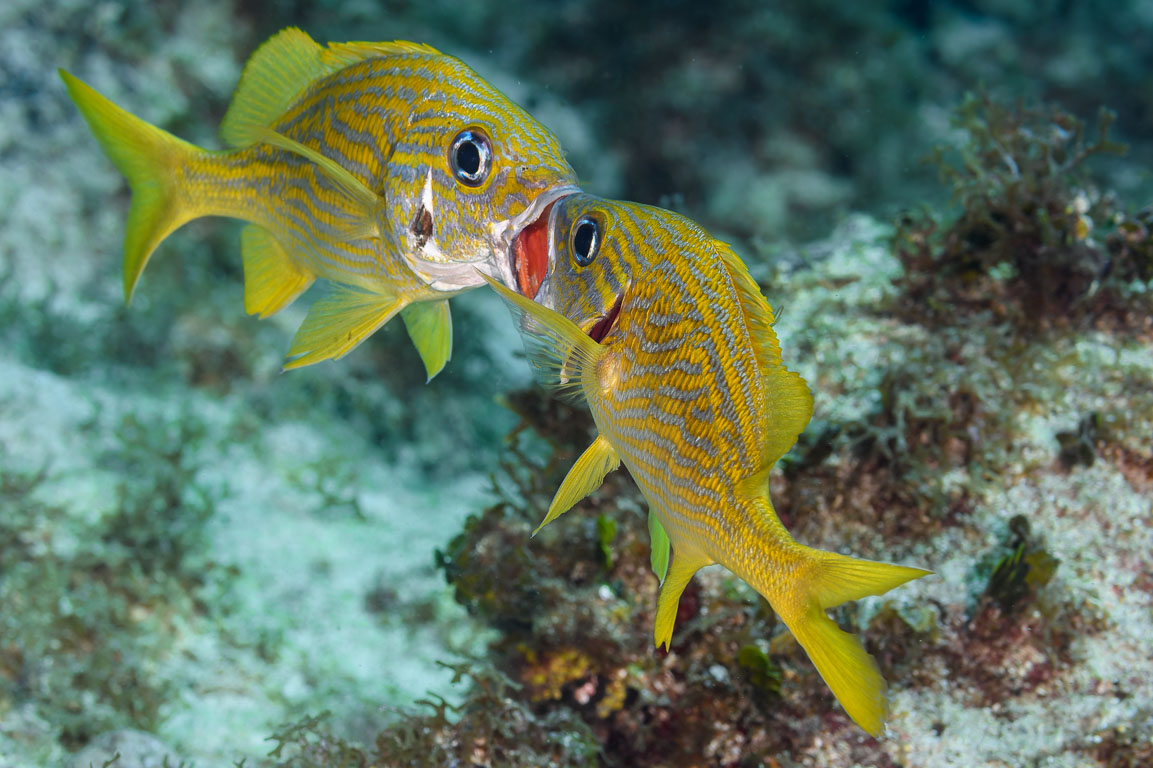
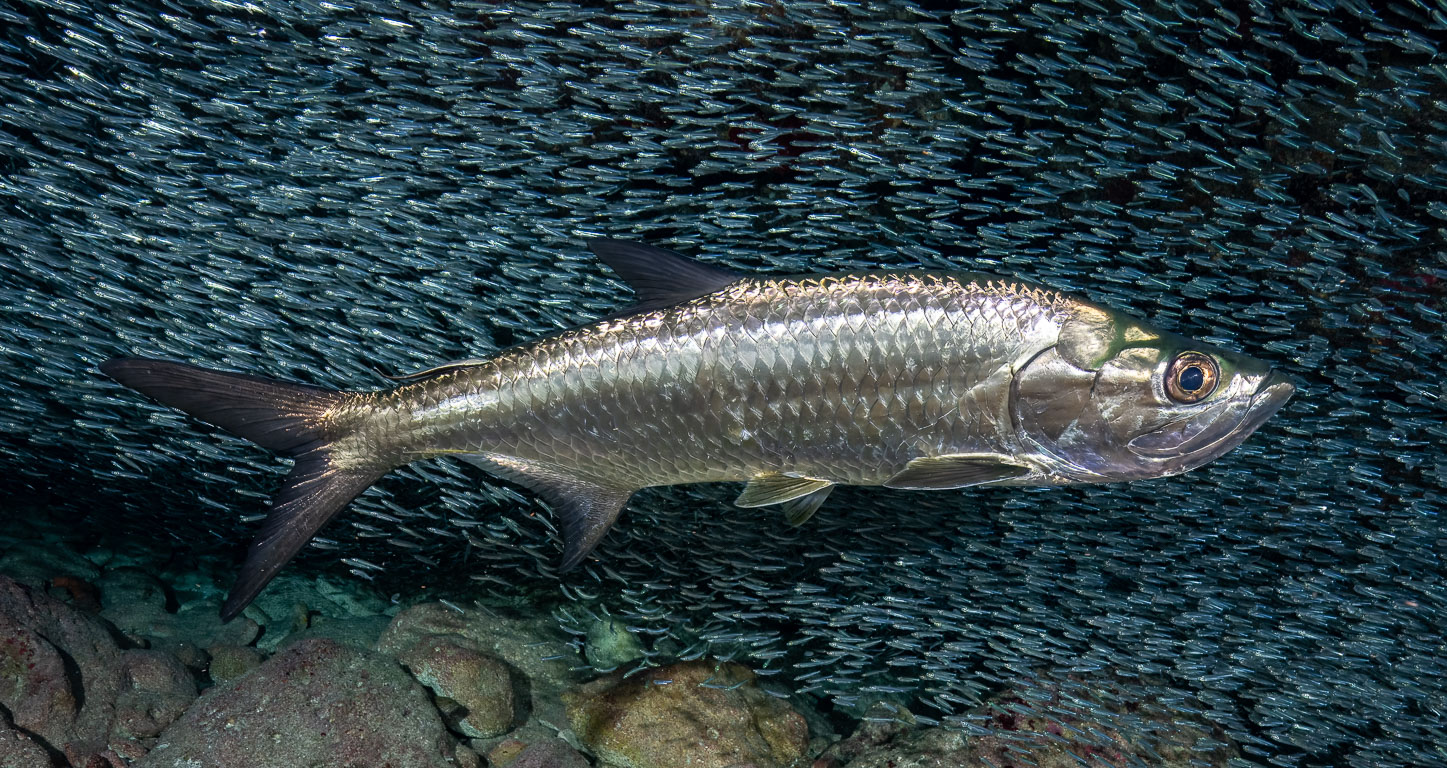
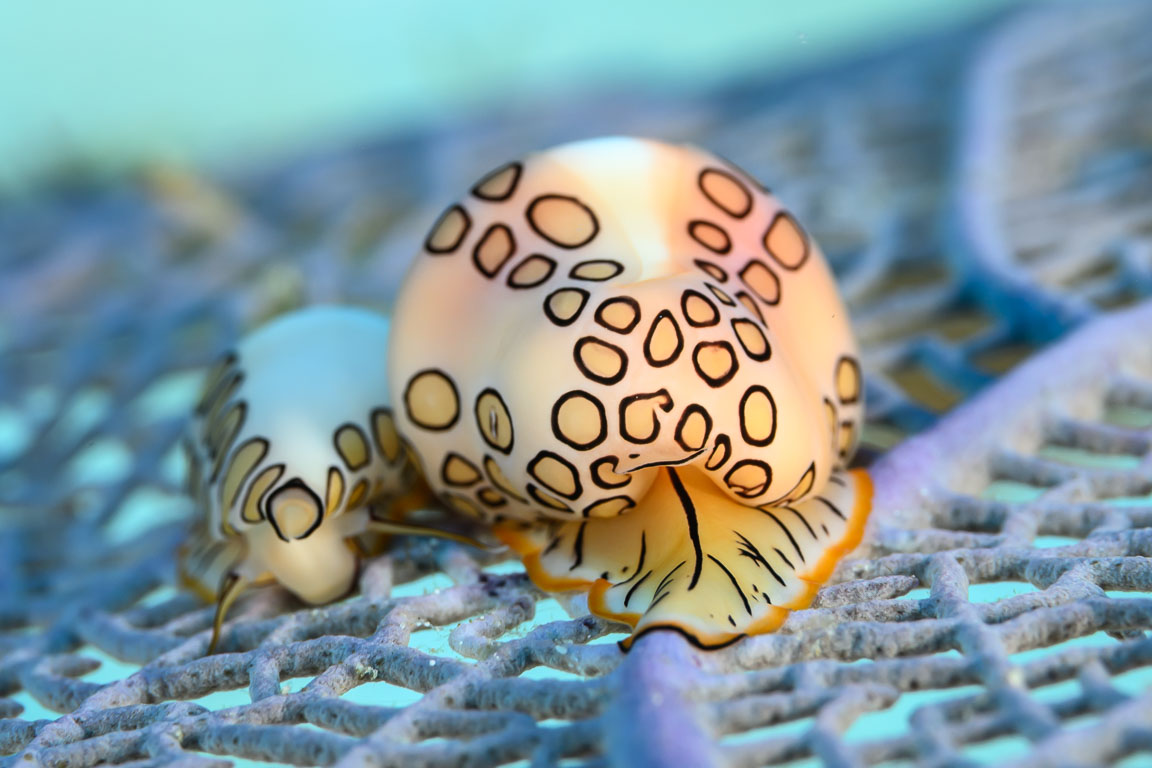
The reefs of the East End are generally less crowded than those along the west coast and are often in excellent condition. Coral gardens, spur-and-groove formations, dramatic wall dives, and numerous swim-throughs offer a great variety of underwater landscapes. Green turtles, southern stingrays, eagle rays, Caribbean reef sharks, moray eels, and large schools of reef fish are regular encounters, while the healthy reefs provide excellent opportunities for both wide-angle and macro photography.
Away from the island's main tourist areas, the East End has retained a relaxed atmosphere that many divers appreciate. Its combination of healthy reefs, diverse marine life, and comparatively light diving traffic makes it one of the most rewarding areas to explore on Grand Cayman.
During my visits, I dived with Ocean Frontiers, a well-established dive centre on the East End. The operation uses fast boats to reach many of the surrounding dive sites within a short time and has earned an excellent reputation for its professional service and strong commitment to reef conservation. Ocean Frontiers collaborates with underwater photographer Alex Mustard and marine scientists on coral reef conservation projects, including the monitoring and accurate prediction of the annual coral spawning events.
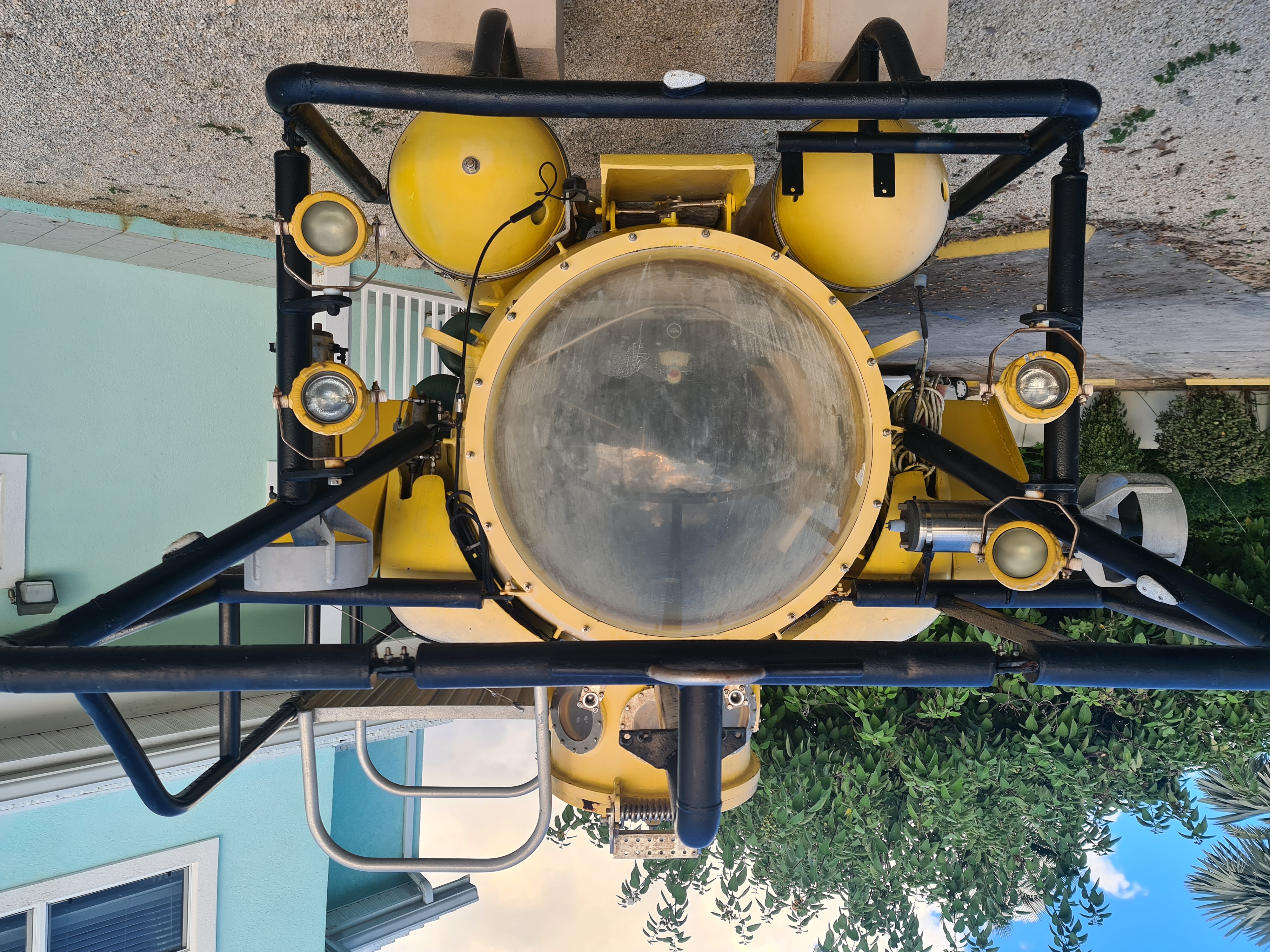
The dive centre also offers comfortable oceanfront apartments, making it an ideal base for a diving holiday. Visitors driving along the coastal road through the East End can hardly miss the dive centre. Outside stands one of the distinctive yellow submarines used during the production of James Cameron's film The Abyss—a fitting landmark for one of Grand Cayman's premier diving locations.